Garden Clearance in Hackbridge
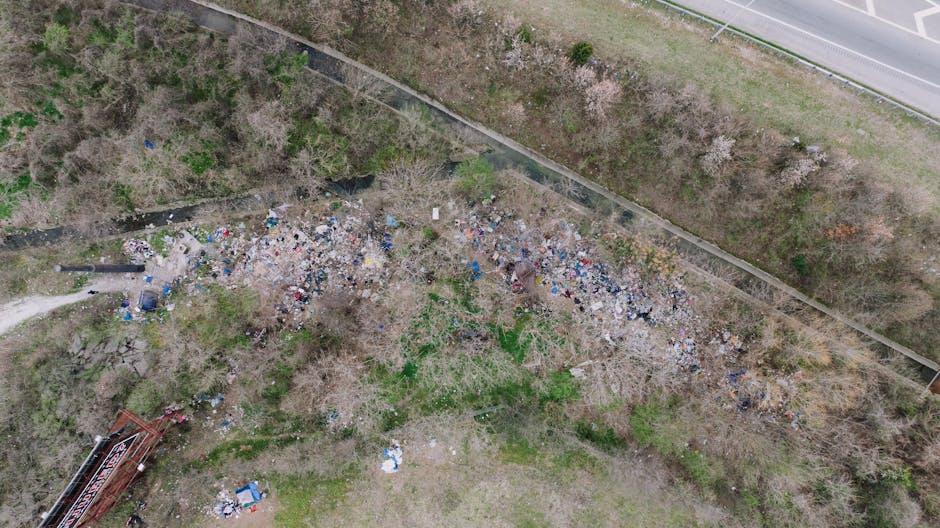
Garden clearance in Hackbridge should be straightforward, careful and properly sorted, whether you are dealing with a one-off tidy-up or a larger outdoor project that has left behind a mixture of green waste, awkward debris and tired items. Our service focuses on clearing away what is no longer wanted so the space can be used again, with attention to sensible handling, separation and removal rather than hurried, one-size-fits-all stripping out. The result is a cleaner garden area that is ready for the next stage, whatever that may be.
We provide garden clearance for Hackbridge properties where borders, paths, sheds or patio areas have become difficult to manage because of overgrowth, surplus materials or accumulated waste. That can include bagged cuttings, branches, broken plant pots, old timber, damaged outdoor furniture and mixed garden rubbish. Where items need different handling, we keep the process orderly so each type of material is dealt with in a way that is practical and appropriate.
If you want to clear an outdoor area without doing every part yourself, start by outlining what is in the garden and what you would like removed. That helps us plan the work sensibly and makes it easier to provide a quotation that reflects the actual task. A simple description is often enough to begin with, and if there are bulky or unusual items we can factor those into the estimate before any work is arranged. Please get in touch to request a quotation.
What our garden clearance service covers
Our garden clearance work is designed for outdoor spaces that need more than a simple bin load. It can involve clearing loose waste from lawn edges, removing cut-back growth, collecting material from behind outbuildings and lifting redundant items that have been left in place for too long. We approach the job as a practical clearance exercise, not just a quick tidy, so the end result is usable rather than half-finished.
Typical material can include hedge trimmings, branches, weeds, soil in manageable quantities, old compost sacks, broken ornaments, lengths of wood and general garden clutter. Where there are mixed materials, we separate what can be handled as green waste from items that need different disposal routes. This is useful for customers who want the job done with care for both the property and the waste stream.
Some gardens need a clearer hand than others. A simple boundary-line sweep may only call for collection of cuttings and a few items, while a more cluttered plot may need attention to hidden corners, side returns and storage areas. We work through the space methodically, keeping the practical aim in mind: removing what is in the way and leaving the area ready for further use.
Green waste, cuttings and seasonal outdoor debris
Green waste is often the largest part of a garden clearance job, but it is not always the only part. Fresh growth, hedge trimmings and prunings can sit alongside older debris, planters and worn-out garden materials, so a useful service needs to deal with both living and non-living waste in one pass. We collect these mixed contents in an orderly way so the garden is left tidier without overlooking the smaller pieces that make a space feel unfinished.
Seasonal work is especially common after periods of heavy growth or after a major gardening session that produces more waste than normal collection can easily take. In those cases, the practical challenge is not just volume but awkward shape and spread. Long branches, tangled stems and scattered clippings can make a simple tidy-up feel larger than expected, so a proper clearance gives you a more complete reset of the outdoor area.
If you are preparing for planting, repairs or a broader refresh, it can help to identify the main waste types before the work begins. That includes any materials that may need to be lifted from beds, paths or corners where they have collected unnoticed. For many homeowners, the benefit is not only visual tidiness but a clearer surface to work from next. Request a quotation when you are ready to compare the scale of the job.
Bulky garden items and awkward materials
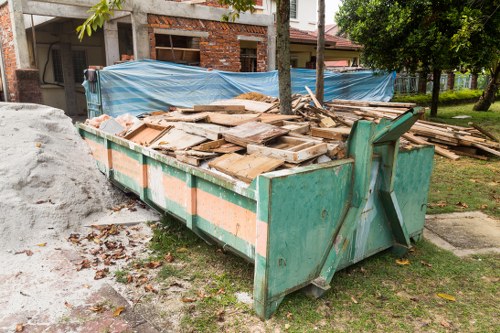
Not every clearance is about green waste. Gardens often hold items that are too large for ordinary household disposal or too awkward to leave in place, such as broken storage, damaged fencing pieces, old plant containers, outdoor seating and weathered timber. Our service can include these bulky materials as part of the same clearance visit, which helps keep the process efficient and avoids leaving a second round of leftovers behind.
We also deal with mixed outdoor contents where usable and unusable items have ended up together. That may include plant supports, compost sacks, pots, edging, broken slabs in small quantities or miscellaneous materials from a project that was never quite finished. Care is important here because some items can be reusable while others clearly need disposal, and the right approach is to sort rather than simply remove everything blindly.
For customers deciding what to include, it is often best to think in terms of areas rather than individual objects: beds, corners, sheds, side passages and hardstanding. That gives a clearer picture of the clearance required and helps ensure no obvious material is missed. If you are unsure what should be included, you can describe the garden layout and list the larger items separately. That makes quotation easier and keeps the arrangement straightforward.
Access, preparation and how to plan the work
Good planning makes garden clearance smoother, especially where access is narrow or the waste is spread across different parts of the property. If there is a gate, side passage, shared entry or rear path, we take that into account when assessing the work. A clear description of where items are located helps us judge the practical effort involved, including how far materials may need to be carried and whether any objects are likely to need extra handling.
It also helps to mention anything that could affect the removal process, such as steep steps, fragile paving, uneven ground or waste tucked behind fixed garden features. These details are not about adding complications for the sake of it; they simply make the quotation more accurate and the job easier to organise. When a customer can point out the main access points and the heaviest items, we can shape the clearance around the reality of the space.
Useful things to note before asking for a price include the general size of the garden, the main waste types, whether items are stacked or scattered, and whether any materials are damp, heavy or mixed together. You do not need to write a long inventory, but a sensible outline saves time. For smaller jobs, a brief description is often enough; for larger clearances, a little extra detail gives a better basis for the quotation.
Mixed clearance work for gardens and outside storage

Some outdoor clearances are not limited to the visible garden itself. Sheds, lean-tos, side returns and storage corners often gather unused items alongside ordinary garden waste, and it makes sense to clear them together when the aim is to restore order. Our service can cover these mixed spaces when the contents are part of the same outdoor task, keeping the job joined up rather than treating each area in isolation.
That approach is helpful where old tools, timber offcuts, broken fixtures, plant supports and general clutter have accumulated over time. The work is not simply about emptying a space; it is about removing the specific items that no longer serve a purpose and separating them from anything that may still be kept. Where there are multiple material types, this careful approach helps avoid unnecessary waste and keeps the work more controlled.
In practical terms, customers usually want one of three outcomes: a clean start for landscaping, a safer and easier outdoor area to move through, or a full reset before a property changes use. Our clearance work is structured around those outcomes, with the level of removal matched to what is actually present. If you have a mixed outdoor area that needs sorting, a clear request helps us build the right quotation from the outset. Let us know what needs removing and we can take it from there.
Prices, quotations and what affects the cost
Garden clearance quotations are usually shaped by the amount of waste, the type of materials involved, how accessible the area is and how much sorting is needed on site. A compact pile of cuttings is very different from a spread of mixed debris, stacked timber and bulky outdoor items, so the scale of the work matters. It is better to price accurately from a clear description than to guess at the effort involved.
Waste type also matters because some materials are more straightforward to handle than others. Green waste, broken garden furniture, soil, general outdoor clutter and mixed contents may each influence the time and handling required. If the garden has items in more than one part of the property, that can affect planning too, particularly where lifting and carrying routes are limited. A well-prepared quotation reflects those practical differences.
If you are comparing options, focus on what is included in the clearance rather than just the headline figure. A proper quotation should make sense in relation to the size of the task and the nature of the items to be removed. That is the fairest way to arrange the work. Please contact us to request a quotation for your garden clearance in Hackbridge.
Preparing outdoor waste for collection
Customers do not need to do the clearance themselves before asking for help, but a little preparation can make the job more efficient. If items are already gathered in one place, it can be easier to assess the load and plan removal. On the other hand, if waste is spread across beds, borders and paths, that can also be handled; it simply needs to be described clearly so the quotation reflects the real work involved.
Where possible, it helps to identify any items that should be treated separately, such as reusable garden equipment, personal belongings mixed into the waste or materials that are not meant to go. That keeps the work focused on the clearance itself and avoids confusion on site. The same applies to anything heavy or awkward, which should be mentioned in advance if it forms a significant part of the load.
As a general rule, the more accurately the outdoor contents are described, the smoother the arrangement becomes. Clear information leads to a clearer plan, and that is especially useful when the garden has more than one waste type or several places where clutter has gathered. If you are ready to move forward, send a short description and ask for a quotation.
About Hackbridge
Hackbridge is an area in the London Borough of Sutton, situated in south-west London near the boundary with the neighbouring borough of Merton. It is closely associated with the River Wandle corridor, which has shaped local movement, settlement and industry over time. The area developed from a largely rural setting into a suburban district as transport links improved, and traces of that change can still be seen in the mix of housing, newer development and remnant green corridors. Hackbridge railway station, opened in the late nineteenth century, remains an important point on the local rail network, linking the area with wider parts of London and beyond. The district also sits near open spaces that add to its character, including routes along the river and nearby parks and green stretches that break up the built environment. Local history is tied not only to transport and housing but also to the wider story of the Wandle valley, where mills and water-powered industry once played a major part in shaping nearby communities. In more recent years, regeneration and new building have altered parts of the area, while older streets and familiar local landmarks continue to provide a sense of continuity. As a result, Hackbridge combines suburban residential character with access to open space, riverside paths and a rail connection that keeps it closely linked to the rest of south London.
Garden waste handling and responsible sorting

Responsible handling matters in garden clearance because outdoor waste is rarely uniform. Green cuttings, timber, broken containers and mixed debris all need sensible sorting so that each type of material is treated appropriately. Our work is built around that principle, with attention to what can be grouped together and what should be separated. This keeps the clearance practical and avoids treating every item as if it were the same.
For customers, this means the clearance can be shaped around the actual contents of the garden rather than a fixed assumption. A site with mostly hedge cuttings is different from a site with old furniture, soil and general clutter, and the handling should reflect that. Careful sorting also supports a cleaner finish because the job is not rushed through in a way that leaves obvious leftovers behind. It is the combination of removal and sensible order that makes the service useful.
Where a garden includes materials from several projects, such as a patio refresh, fence repair or planting overhaul, the waste can build up into a single mixed pile. That is normal, and it is one reason garden clearance is often requested after more than one kind of outdoor task has taken place. If you have mixed waste to remove, describe it as clearly as you can and ask for a quotation based on the full load.
Choosing the right scope for your clearance
Not every garden needs the same level of work, so it helps to be clear about the scope from the outset. Some customers want only the obvious waste removed, while others want a more complete clear-out that reaches the edges, hidden corners and storage spots. The right choice depends on how much of the outdoor area you want reset and how much material is currently sitting in the space.
A focused clearance can be enough when the task is mainly about removing cuttings and a few damaged items. A broader clearance makes sense when the garden contains multiple waste streams and you want the whole area made easier to use. We can help with either approach, provided the requirements are described clearly. That way, the quotation is based on the real scale of the work rather than a vague estimate.
For some properties, it is useful to think in stages: first the obvious clutter, then the bulky items, then the remaining loose debris. For others, one visit is the simplest route. The best option is the one that suits the condition of the garden and the time you want to invest in the job. If you are not sure which scope fits best, a brief description is enough to start the conversation.
Why a tidy outdoor area is easier to manage

A cleared garden is generally easier to maintain because the useful surfaces are visible again and the remaining work becomes more manageable. Once unwanted materials are removed, it is simpler to cut back growth, walk safely around the space and plan any further improvements. That is one reason people look for a clearance service before they begin replanting, landscaping or general outdoor tidying. The work creates a clearer starting point.
It is also easier to see what is worth keeping when the clutter has gone. Some items may have been left in place simply because they were buried under more obvious waste, and a proper clearance helps reveal the true condition of the space. That can inform the next decision, whether it is repair, redesign or a lighter routine maintenance plan. The main purpose is practical: remove what is no longer needed and make the area workable again.
To arrange garden clearance in Hackbridge, send us a short description of the area and the items to be removed, then request a quotation. If you want the process to be straightforward, include the main waste types, the rough size of the load and any access details that matter. We will use that information to build a sensible estimate for the work.